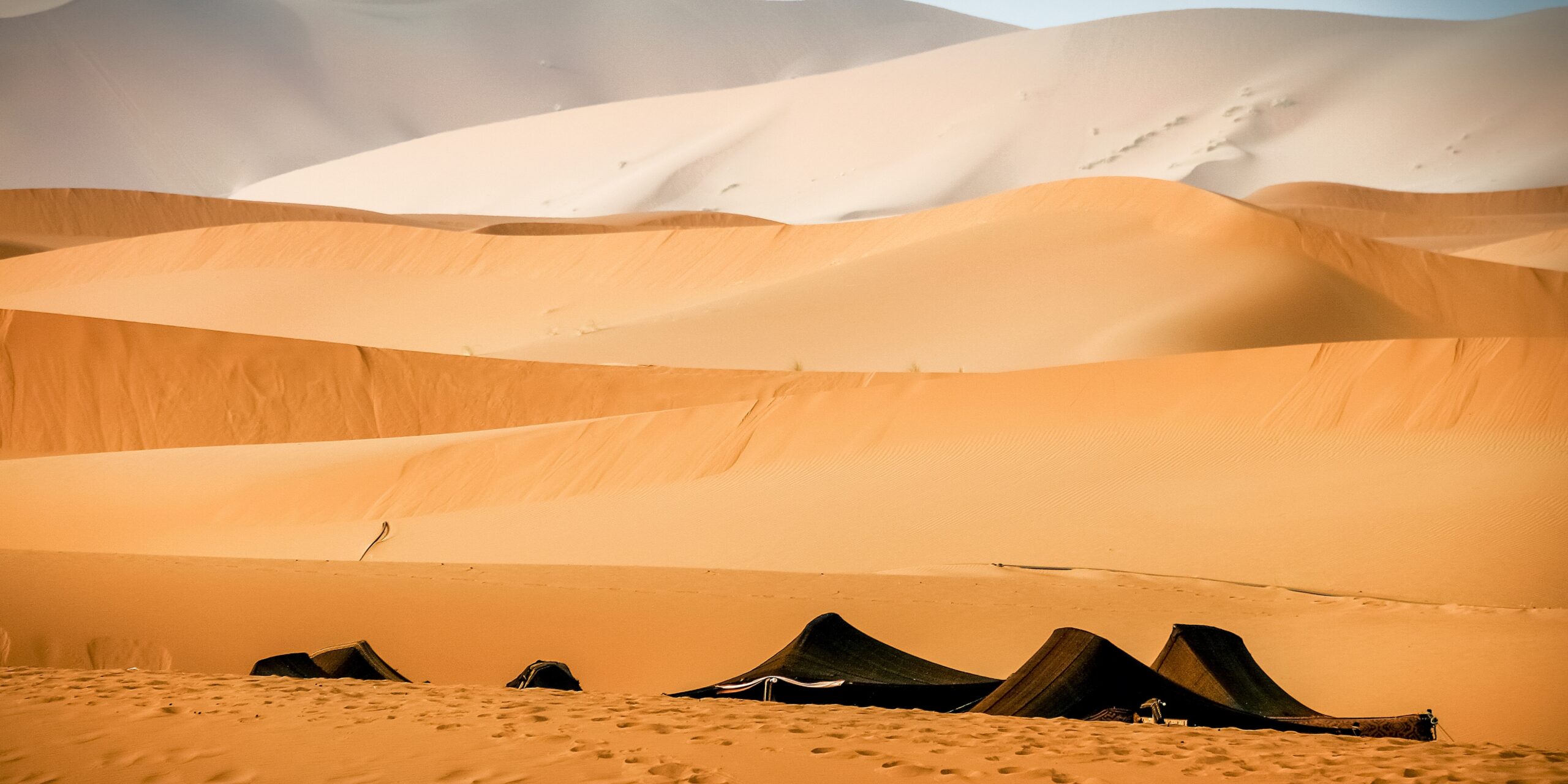
Last fact-checked: 23 October 2026. Morocco was certified malaria-free by the World Health Organization in 2010. Imported malaria cases and other insect-borne illnesses remain possible, so obtain individualized pre-travel health advice and use bite precautions appropriate to your route. Keep routine vaccinations current and ask a qualified clinician about any additional vaccines. Heat, cold and altitude risks vary by season and elevation: check the forecast, carry sufficient water and sun protection, and change plans when conditions are unsafe.
Cultural and Personal Safety

Dress and behave respectfully. Morocco is a Muslim-majority country, so modest clothing (covering shoulders and knees) is advised. Women can travel safely but should remain alert: avoid lone night walks, be cautious in crowds, and carry only necessary valuables. In medinas and markets (shown above), pickpocketing and scams can occur – keep purses and phones secure, use zippered bags or money belts, and never flash cash or jewelry. Use licensed taxis or vetted tour guides, and always agree on fares in advance. Download offline maps or hire guides to navigate the maze-like souks – getting lost is easy, but can be dangerous at night. If locals offer unsolicited help, be polite but firm if you feel uncomfortable. During Ramadan or religious occasions, show extra courtesy (for example, avoid eating/drinking in public during fast hours) to respect local customs.
Food, Water and Hygiene:
Food and water risk depends on handling, storage and the traveler. Use sealed or appropriately treated water when you are unsure of local supply, wash hands, and choose food that is thoroughly cooked and served hot. People with allergies should explain them clearly, consider a translated allergy card, and confirm ingredients rather than assuming a dish is safe. Seek medical advice for severe or persistent illness, dehydration, blood in stool, or symptoms in a young child or vulnerable traveler.
Vaccinations & Medicine
Arrange a pre-travel consultation appropriate to your health, route and activities. Carry an adequate supply of prescription medicine in original packaging, plus a copy of the prescription and a clinician’s letter when appropriate. Check whether any medicine is restricted before travel. Availability and opening hours vary, and a foreign prescription may not be accepted or an exact equivalent stocked. Keep essential medicine in hand luggage and bring an allergy or medical-information card if useful.

Healthcare Access
Medical facilities and capabilities vary, particularly outside major cities. Before travel, identify suitable care near each base and buy insurance that covers your conditions, planned activities and medical evacuation where appropriate. Contact the insurer early for help locating care and understanding payment requirements. A pharmacy can help with some minor needs but does not replace urgent or specialist assessment.
Emergency Numbers & Consular Help
Current official UK travel advice lists 150 for ambulance and fire, 190 for police, and 177 for the Royal Gendarmerie. Save the numbers relevant to your location and verify them with your accommodation or local authority. Also save your travel insurer’s assistance line and find your own government’s current consular contact through its official website; embassy numbers and coverage can change. In an emergency, give your location as precisely as possible.
