Introduction: Marrakech, Privacy, and Global Footsteps
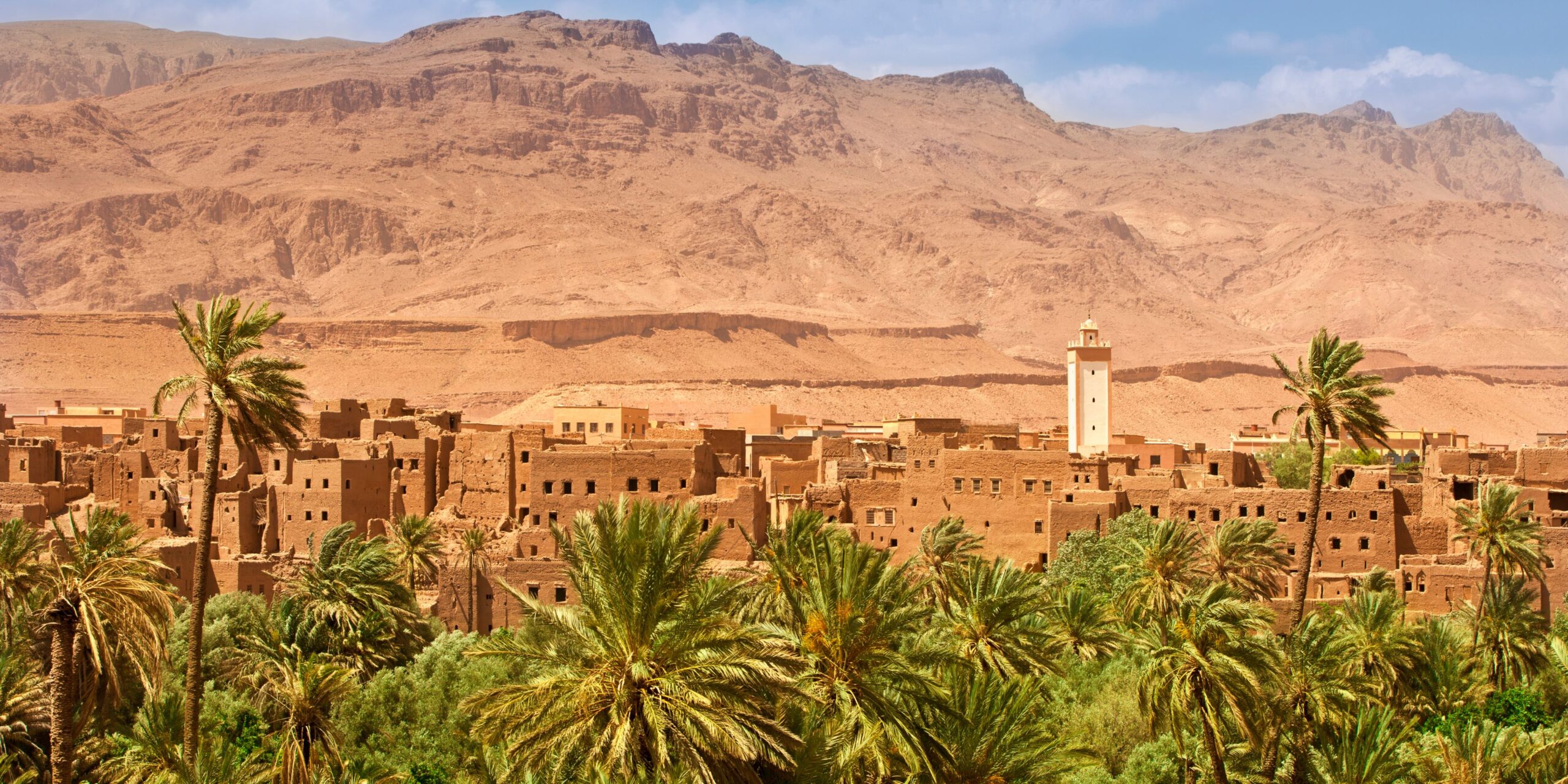
Palm-lined avenues stretch across the Palmeraie. Behind high walls, vast estates sit hidden among olive groves and date palms, with the Atlas Mountains framing the ochre skyline of Marrakech in the distance. For decades, this Moroccan city has drawn diplomats, designers, royalty, entrepreneurs, and global investors seeking privacy, architectural beauty, and cultural depth.
It is within this broader context of elite travel and international property investment that Morocco appears in correspondence linked to Jeffrey Epstein.
According to released DOJ files and publicly unsealed court documents in the United States, Morocco is referenced in communications related to travel logistics and a potential property discussion in Marrakech. These documents do not allege criminal conduct in Morocco. Rather, they reference travel and real estate considerations, a distinction that matters enormously.
Understanding these mentions requires careful separation between Epstein’s U.S. conviction and later federal charges, the allegations raised in civil cases, investigations conducted in other countries, and the documented communications that specifically reference Morocco. This article examcomments what the documents show and, equally important, what they do not.
Documented References to Morocco in Released Files
The Context of the Document Releases
In 2024, previously sealed materials connected to U.S. litigation involving associates of Jeffrey Epstein were made public. These materials included emails, travel notes, and correspondence gathered during the course of investigations. Morocco appears in limited references, connected primarily to property discussions in Marrakech. There is no evidence within the released files indicating criminal activity occurred there.
The Marrakech Property Discussion
Emails reviewed by investigators show a conversation about a property in Marrakech, reportedly located in or near the Palmeraie district, an area long associated with expansive villas and private estates. Publicly released correspondence indicates a valuation discussion concerning this property. One email references an asking price of approximately €20 million, while commentary within the same exchange suggested the property might be worth closer to €8 to €10 million.
The email reportedly noted the estate required significant renovation. A paraphrased excerpt from the released material describes the property as needing “lots of work,” with mentions of infrastructure issues and underground tunnels requiring attention.
Several clarifications are worth stating plainly. The documents reflect a valuation and renovation discussion, nothing more. They do not establish that a purchase was completed, they do not allege any illegal activity in Morocco, and they do not suggest Moroccan authorities were involved in any wrongdoing whatsoever. The references appear limited to real estate considerations and travel logistics.
Travel References
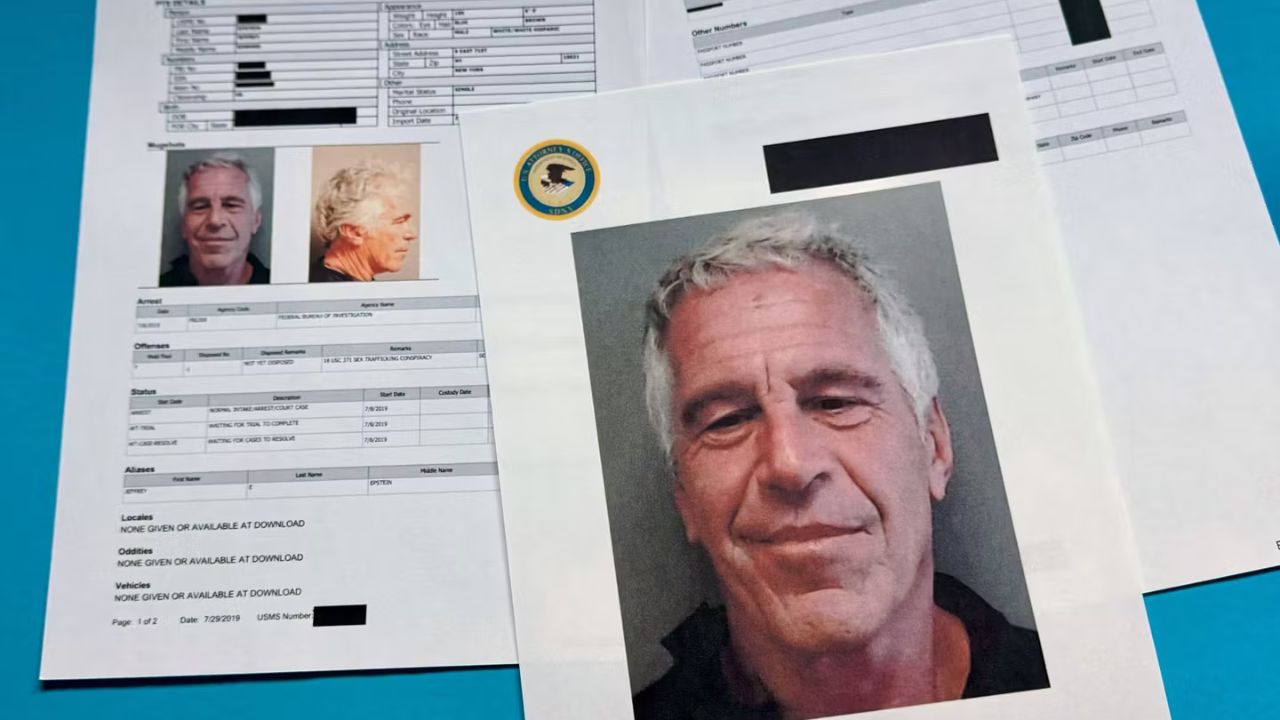
According to publicly released correspondence, Morocco was referenced in travel planning communications, consistent with the broader pattern of international movement documented in Epstein-related files. However, no official U.S. indictment or conviction documents identify Morocco as a site of criminal conduct. Epstein’s known criminal conviction occurred in Florida in 2008, and in 2019 he was charged federally in New York. Both legal actions were centered entirely in the United States. The Morocco mentions are separate from those convictions.
Why Morocco Attracts Global Elites
To understand why Morocco appears in such correspondence at all, it is essential to consider the country’s long-standing role as a global crossroads.
Morocco as a Diplomatic and Cultural Hub
For centuries, Morocco has stood at the intersection of Europe, Africa, and the Middle East. Cities such as Marrakech, Casablanca, Rabat, and Tangier have hosted diplomats, artists, entrepreneurs, and political figures from across the world. Marrakech in particular has historically drawn European aristocracy, international fashion designers, Hollywood figures, global business leaders, and cultural patrons. Its blend of Islamic architecture, Andalusian heritage, Berber craftsmanship, and French-influenced urban planning creates a genuinely unique aesthetic environment, one that is difficult to replicate anywhere else.
The Appeal of the Palmeraie Estates
The Palmeraie district has long been known for large gated properties, expansive gardens, and high walls that ensure a level of privacy rarely found in urban settings. For high-net-worth individuals, such environments offer discretion, space, and architectural distinction in equal measure.
Wealthy investors often seek Moroccan property for several well-documented reasons: the architectural heritage and riad-style design, competitive luxury real estate pricing compared to Europe, a favorable climate, cultural prestige, and proximity to major European capitals. These factors are widely cited by international real estate analysts and travel publications alike. Morocco’s reputation as a luxury second-home destination predates any mention in Epstein-related files by many decades.
Separate Documented Events: Treated Independently
The unsealed files referencing Morocco appear alongside correspondence involving other countries and individuals. It is critical not to merge unrelated references into a single narrative.
Senegal-related correspondence, for instance, references political figures including Karim Wade and relates to entirely separate diplomatic and political contexts, independent from any Morocco property discussions. France-related correspondence similarly includes mentions of Jack Lang, representing distinct communications within a broader international network of contacts. The Marrakech property valuation exchange appears to be its own isolated instance within the larger collection of documents.
There is no documented link tying the Morocco property discussions to the Senegal references, no evidence suggesting coordinated activity across those countries, and no official indictment identifying Morocco as a site of criminal wrongdoing. Treating each documented instance independently is not just preferable, it is essential for factual clarity.
Timeline of Documented Milestones
Based on publicly available records, the key dates are as follows. In 2008, Jeffrey Epstein was convicted in Florida on state charges. In July 2019, he was arrested and federally charged in New York, dying the following month while in federal custody awaiting trial. Between 2020 and 2023, ongoing litigation and investigations involving associates continued. In 2024, previously sealed court documents were publicly released, referencing travel and property communications that included the Morocco mentions. No U.S. charging documents identify Morocco as a site of criminal conduct.
Analytical Reflection: Presence vs. Wrongdoing
Global financial figures frequently operate across borders. Travel, property investment, and diplomatic interactions routinely span multiple continents, and the appearance of Morocco in correspondence reflects, at minimum, travel consideration and potential real estate evaluation.
Presence in travel or investment discussions does not equate to wrongdoing. The distinction between being mentioned in documents, being charged in a jurisdiction, being convicted of a crime, and being formally investigated is fundamental to responsible reporting. According to released DOJ files, the Morocco references are confined to communications and property valuation commentary. They do not establish illegal activity in the country. Reading primary documents carefully is what prevents conflation and speculation from taking hold.
Morocco’s Broader Reputation as a Global Destination
While documents mention Morocco in the context of property and travel logistics, Marrakech today remains one of the world’s most celebrated cultural destinations. Visitors are drawn by the vibrant Jemaa el-Fnaa square, the intricate tilework of historic riads, the Majorelle Garden’s cobalt blue architecture, the serenity of desert excursions beyond the city, and the extraordinary richness of Moroccan cuisine.
Morocco consistently ranks among top global travel destinations. Luxury travel publications continue to spotlight boutique riads in the Medina, high-end resorts in the Palmeraie, Atlas Mountain retreats, and coastal escapes in Essaouira. Its appeal extends far beyond any isolated reference in legal documents.
A Travel-Focused Perspective
For travelers researching Marrakech today, Morocco’s story is not defined by external controversies. It is defined by centuries-old medinas, artisanal craftsmanship, cultural fusion, warm hospitality, and architectural innovation that continues to inspire visitors from around the world. The Palmeraie remains a symbol of serene luxury living, a neighborhood of palm groves, quiet lanes, and expansive estates that rewards those who take the time to explore it.
Understanding Morocco’s role as a global meeting point helps contextualize why international figures, investors, and celebrities have long visited or explored property there. It is a destination that predates — and transcends, any single name appearing in legal archives.
Final Thoughts
The Jeffrey Epstein Morocco connections documented in released U.S. court materials center primarily on travel references and a Marrakech property valuation discussion. According to publicly released correspondence, there was a discussion of a Marrakech estate, debate over valuation and renovation costs, and travel references involving Morocco. There is no evidence within those released files indicating criminal activity occurred in the country.
Clear separation between documented communication and criminal conviction remains essential. Morocco’s identity as a cultural crossroads, luxury destination, and architectural treasure stands entirely independently of external controversies.
Explore Marrakech for Yourself
If this investigation sparked curiosity about Marrakech and its historic Palmeraie district, explore our detailed Marrakech Travel Guide on TravelMoroccoTips.com. Discover where to stay in the Medina versus the Palmeraie, the best riads and boutique hotels, cultural landmarks worth visiting, and insider tips for first-time travelers. Morocco’s story is vast, layered, and deeply rooted in history.